


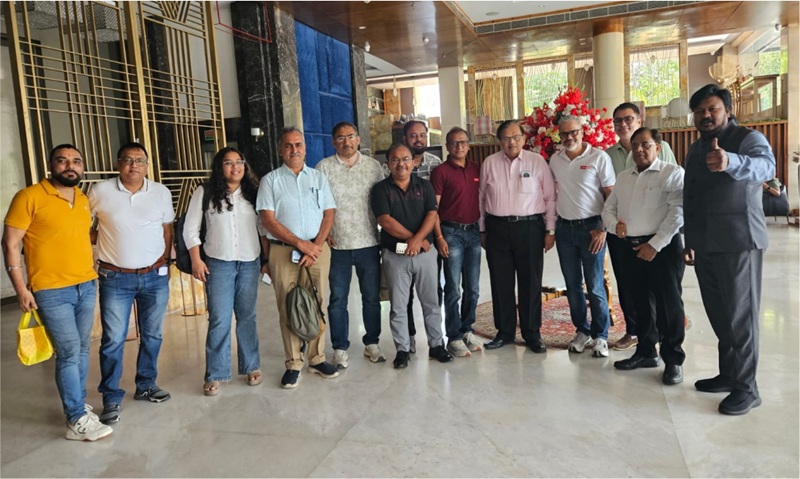
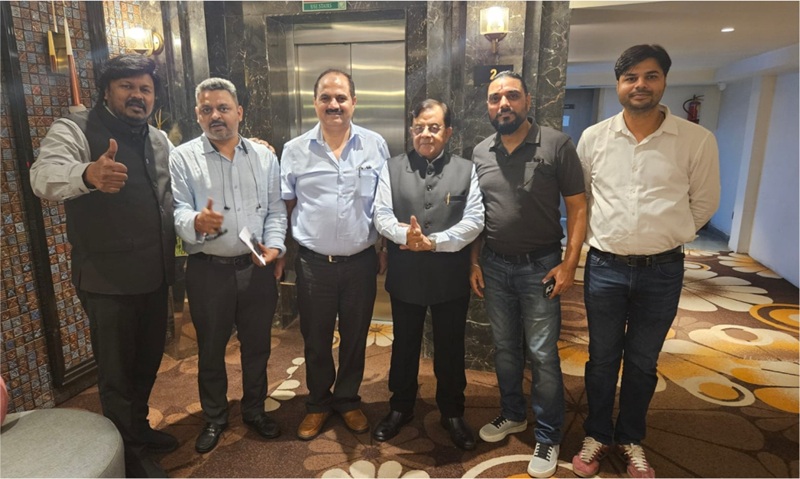
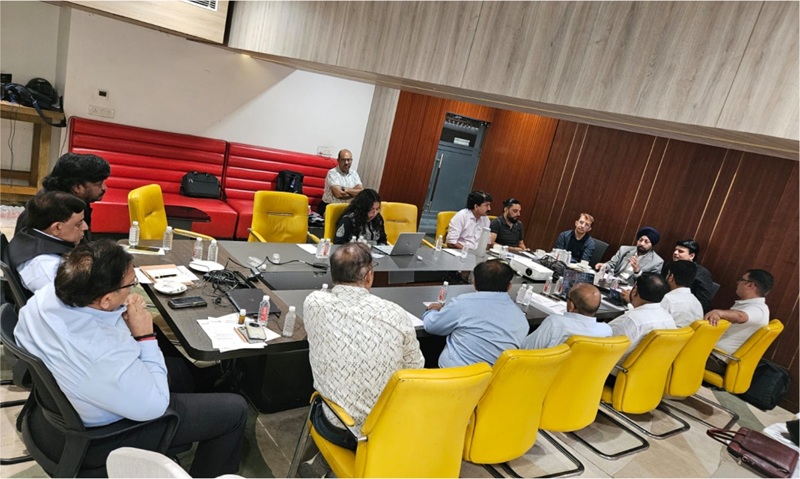
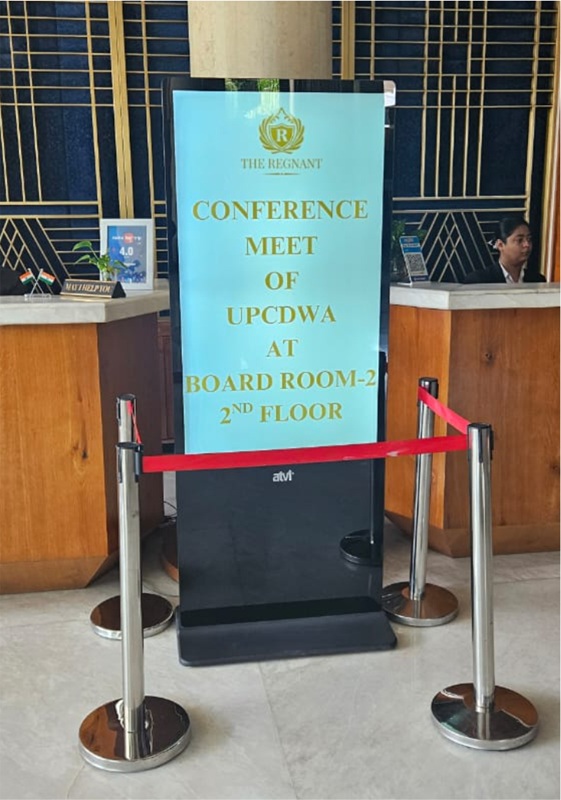
Lucknow, June 9, 2026: In a significant move aimed at reinforcing the sustainability and profitability of India’s offline IT hardware channel, the Uttar Pradesh Computer Dealers Welfare Association (UPCDWA) hosted a high-level Physical Brand Discussion on June 9, 2026, at The Regnant, Nirala Nagar, Lucknow. The meeting brought together senior leadership from the Federation of All India IT Associations (FAIITA), UPCDWA, and leading technology brands including HP, Lenovo, Dell, Acer, and ASUS.
The objective of the meeting was to discuss the growing challenges confronting the traditional IT channel ecosystem and to identify practical solutions around channel profitability, inventory management, credit support, pricing stability, online-offline parity, and long-term business growth.
Strong Representation from Industry Leadership
The discussion was led by FAIITA Chairman Devesh Rastogi, President Navin Gupta, and FAIITA BCC Chairman Deepak Bommisetty, alongside UPCDWA President Vipul Garg, Chairman Brand Relations Pankaj Agarwal, and other senior office bearers and BCC members.
Senior executives from major OEMs participated actively in the discussions, including:
- HP India: Yermal Vinayak Shenoy, Amit Mukhupadhyay and P.K. Singh
- Lenovo India: Subodh Deshpande, Shanil Madollathil and Durgendra Singh
- Dell India: Sapandeep Kapoor, Mahendra Kaushal and Shailendra Mishra
- Acer India: Anuj Garg, Shabi Imam and Rame Dramani Tripathi
- ASUS India: Madhukar Srivastava and Ankit Singh
Unified Industry Concerns Raised
During the meeting, FAIITA and UPCDWA presented a consolidated set of concerns reflecting the realities faced by channel partners across the country. Key issues included:
- Declining profitability due to aggressive online pricing.
- Need for strict online-offline price parity.
- Extended credit requirements amid market volatility.
- Inventory protection and liquidation support.
- Faster claim settlements and distributor issue resolution.
- Improved stock availability and logistics support.
- Protection of exclusive brand outlets (EBOs).
- Greater channel participation in brand website sales through O2O and OMO models.
- Expansion of EMI and financing programs to improve affordability.
- Introduction of exclusive channel SKUs during major online sales events.
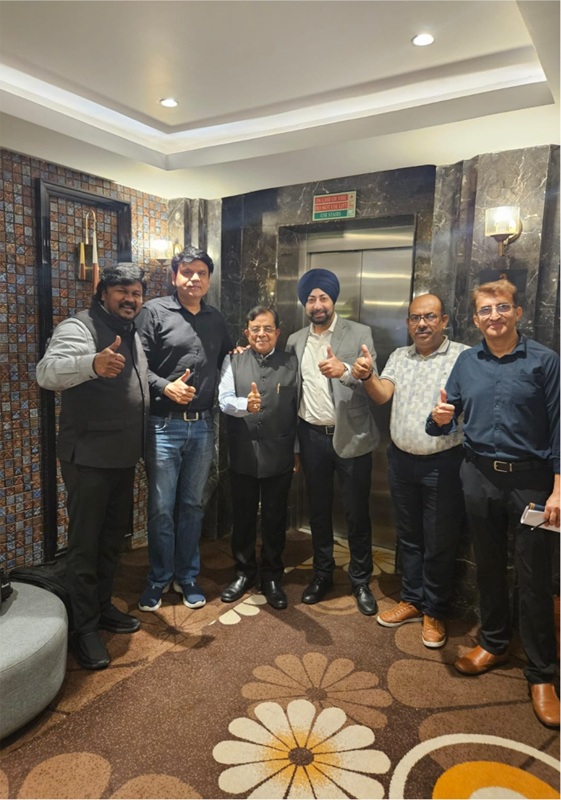
The channel fraternity also requested extension of standard credit terms to 45 days, alignment of OD interest rates with prevailing bank rates, free DOA pickups, and stronger measures to prevent customer migration from offline stores to online platforms.
Price Parity Emerges as Central Theme
One of the most strongly emphasized issues throughout the discussions was the need for 100% effective price parity between online and offline channels. Representatives stressed that channel partners continue to lose business when consumers find significant pricing differences on e-commerce platforms or brand websites.
FAIITA and UPCDWA reiterated that achieving genuine parity is critical to preserving channel confidence, sustaining retail investments, and maintaining healthy market competition.
Positive Response from Leading OEMs
The participating OEMs responded positively and provided several assurances aimed at supporting channel partners during the current market environment.
HP Reinforces Partner Commitment
HP assured continued flexibility in target management through December 2026 and confirmed that target exception requests would continue to receive support through January 2027, subject to process compliance. The company also committed to inventory protection measures, evaluation of pricing disparities in premium segments, strengthening EMI programs, and further investments in HP World stores and partner growth initiatives.
HP additionally agreed to internally review several channel concerns including DOS product positioning, credit support requirements, distributor-related issues, and online-offline channel harmony.
Lenovo Reaffirms Channel-First Strategy
Lenovo reiterated its commitment to a “Channel-First” approach and highlighted ongoing reviews of dealer protection mechanisms and target flexibility. The company announced continued investments in omnichannel initiatives, faster claim processing, expanded affordability programs, and increased awareness of MSME financing opportunities.
Lenovo also emphasized its focus on improving partner profitability while exploring new business opportunities, particularly within the tablet segment.
Dell Focuses on Flexibility and Profitability
Dell assured partners that no mandatory sales targets would be imposed during the current review period and announced a quarterly review mechanism to assess market conditions before introducing future target-linked requirements.
The company committed to continued efforts on online-offline price parity, enhancement of financing programs, review of its DOA policy, and improvements in partner-focused incentives, store branding support, and sell-out programs.
Acer Promises Enhanced Support Ahead of Festive Season
Acer highlighted plans to expand customer affordability initiatives, strengthen EMI schemes, evaluate liquidation support for aging inventory, and prepare channel-focused programs ahead of the Diwali and festive sales season.
The company also agreed to review offline-exclusive SKUs and explore mechanisms to reduce pricing gaps between commercial and consumer product categories.
ASUS Strengthens Partner Protection Measures
ASUS assured channel partners that rental support and partner incentives would not be withdrawn because of target shortfalls under current market conditions. The company also committed to strengthening online-offline parity programs, expanding EMI schemes, improving spare parts availability, and reviewing the extension of the DOA period from seven to fourteen days.
ASUS further supported the concept of O2O and OMO fulfillment models through authorized partner stores to create a more balanced and collaborative sales ecosystem.
Building a Sustainable Channel Ecosystem
A notable outcome of the meeting was the broad alignment among OEMs and channel representatives on the importance of strengthening offline retail. There was consensus that local authorized stores continue to play a vital role in customer engagement, service delivery, product demonstrations, and post-sales support.
FAIITA and UPCDWA strongly advocated for brand website orders to be fulfilled through local authorized partners wherever feasible, ensuring that the offline channel remains an integral part of the customer journey.
Looking Ahead
At the conclusion of the meeting, FAIITA and UPCDWA requested official point-wise responses from participating brands by June 25, 2026, on the assurances discussed during the interaction.
The Lucknow meeting is being viewed as an important step toward rebuilding channel confidence at a time when the IT hardware industry faces significant market volatility. By bringing together association leaders and OEM decision-makers on a common platform, the event demonstrated a collective willingness to address long-standing concerns and work toward a more balanced, profitable, and sustainable channel ecosystem.
Industry stakeholders expressed optimism that the commitments made during the discussions would translate into meaningful policy actions, further strengthening the partnership between brands and channel partners across India.
This version is written in a professional trade-magazine format with a neutral editorial tone, headline structure, subheads, and industry context suitable for C&C Magazine publication.